
Age 3–6 years
Montessori materials for the 3–6 environment
The primary environment: five areas, one shelf layout.
The 3–6 environment is where the full range of materials is in use at once, and where a buyer has to decide what goes on the shelf in the first term and what waits in storage. The five areas — practical life, sensorial, language, mathematics, culture — each need their core sequence before anything else is added.
The quantities below assume one classroom of 24 children with one guide and one assistant, which is the common configuration in a private preschool.
Materials in this collection
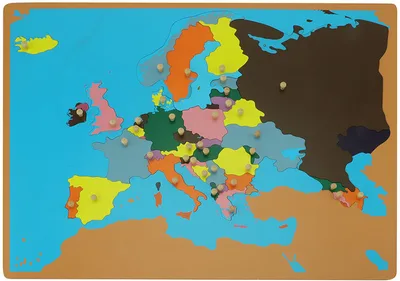
Puzzle Map of Europe — Geography Material (GE013)
Wood · min. order 5 pieces
View details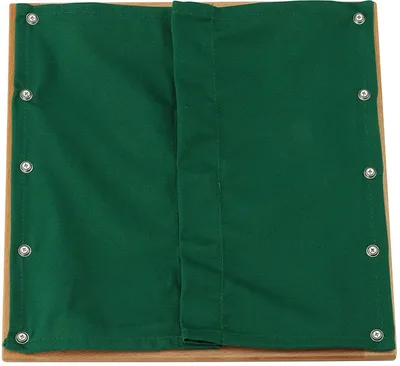
The core of each area
| Area | Core sequence | Quantity |
|---|---|---|
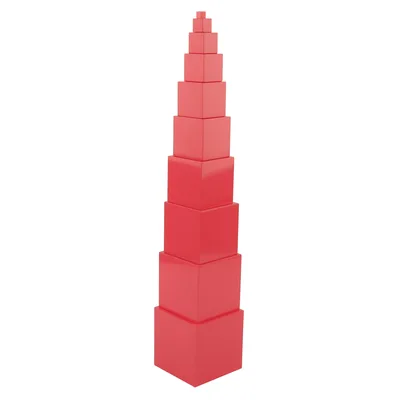
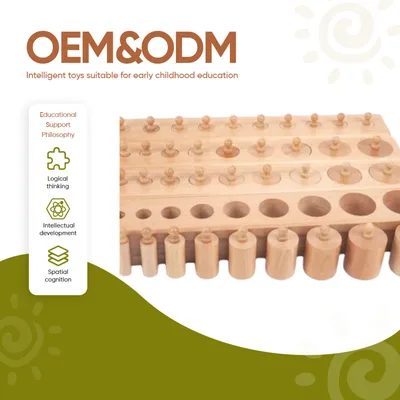
| Sensorial | Pink tower, brown stair, cylinder blocks, colour and touch | 1 series each, 2 small boards |
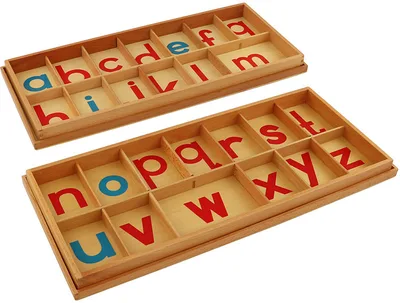
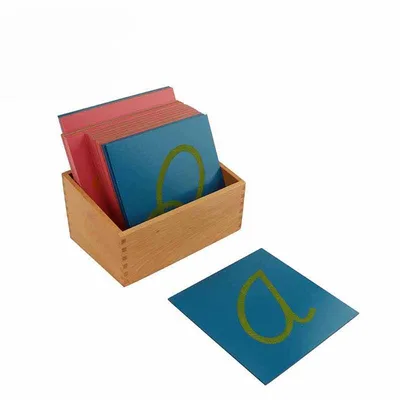
| Language | Sandpaper letters, moveable alphabet, grammar symbols | 2 alphabets, 1 letter set per 4 children |
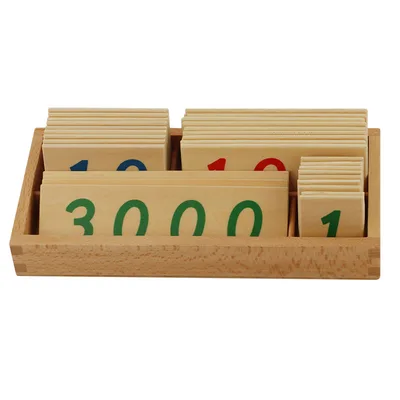
| Mathematics | Number rods, counters, number cards, bead material | 2 bead sets, 1 chart set per 6 children |
| Culture | Continent puzzle maps, landforms, botany and zoology | 1 map per continent |
| Practical life | Dressing frames, transferring, threading | 8–12 activities |
What to buy in the first term
- Practical life and the shelves that hold it.
- The dimensioned sensorial series — the pink tower, the brown stair and the four cylinder blocks — because they set the shelf layout.
- Sandpaper letters and one large moveable alphabet.
- Number rods, counters and the large number cards.
- One continent puzzle map and the land and water forms.
Mixed ages in one room
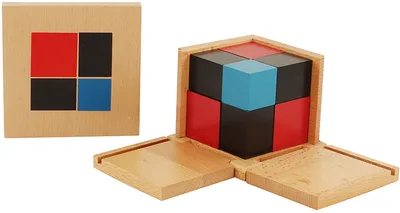
A 3–6 room holds three year groups, so the shelf must span the whole sequence: a first posting activity for a new three-year-old and the trinomial cube for a five-year-old sit in the same room. Buy the low end of every area rather than the complete set of one area.
Guides
Guides for this collection
How to Choose Montessori Materials for a School
A practical checklist for choosing Montessori materials: dimensions, timber, finish, knobs and fastenings, and completeness of sets.
ReadGuideInspection Standard for Wooden Montessori Toys
The inspection checklist we use before shipment: dimensions, moisture content, finish, joints, small parts, packaging and the AQL sampling plan.
ReadFAQ
Frequently asked questions
How many materials should be on the shelf at once?
One activity per compartment, and only what is currently in the sequence. Rotation keeps the shelf legible; a crowded shelf makes choice harder.
Do we need the full sensorial area in the first year?
No. The dimensioned series first — pink tower, brown stair, cylinder blocks — then the colour, touch and baric materials in the second term.
Curriculum areas
Areas this collection draws on
Sensorial Materials
Pink tower, brown stair, cylinder blocks, colour and touch materials.
View the areaLanguage
Moveable alphabets, sandpaper letters, grammar symbols, tracing boards.
View the areaMathematics
Number rods, golden beads, number cards, bead chains, fractions.
View the areaCulture & Science
Puzzle maps, control maps, landforms, botany and zoology puzzles.
View the areaPreschool Classroom
Low shelves, cubbies, coat lockers, easels, activity tables.
View the areaPlanning a classroom, a container or a catalogue?
Send the models, quantities and destination market: a quotation follows in one to two working days.
Request a quote