Sensorial
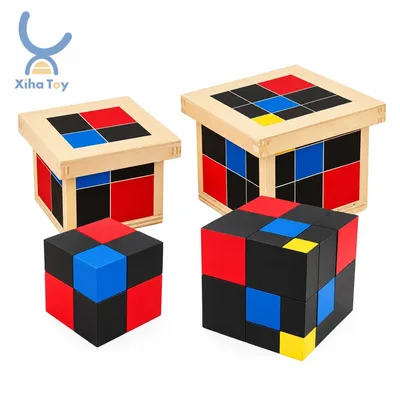
Trinomial Cube — Wooden Sensorial Material
Beech, pine and plywood · min. order 10 sets
View details
Age 6–9 years
From the concrete to the abstract: the elementary materials.
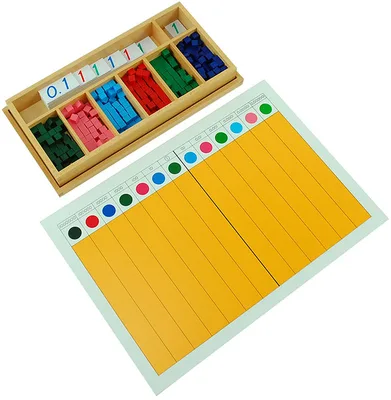
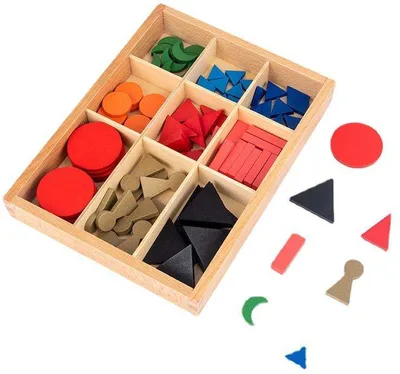
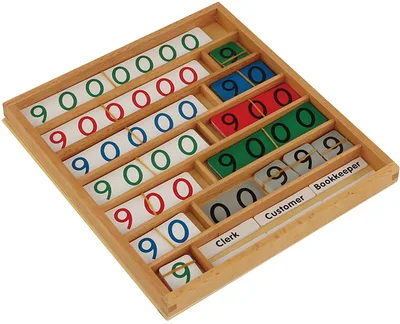
In the elementary years the materials become the bridge to abstraction: the trinomial cube that was a sensorial puzzle becomes an algebra material, the decimal fraction cube becomes decimal notation, the grammar symbols become sentence analysis.
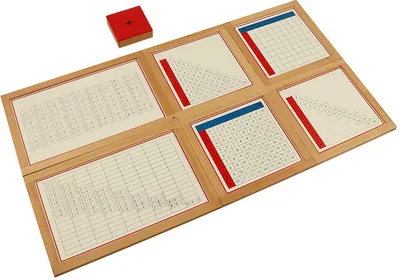
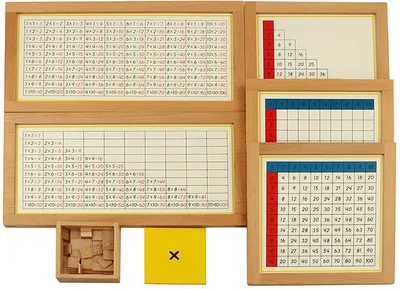
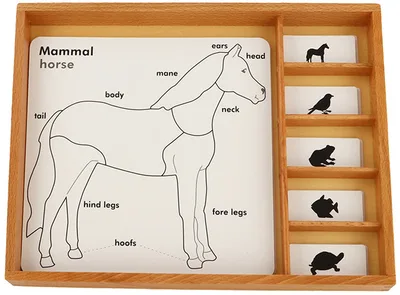
A 6–9 classroom needs fewer materials than a primary room but a wider spread of levels, and the materials are used by children who can read the control cards themselves — which is why charts, labels and cards matter more at this stage than in the 3–6 room.
Beech, pine and plywood · min. order 10 sets
View detailsWood · min. order 5 pieces
View detailsWood · min. order 5 pieces
View detailsElementary materials are bought in smaller quantities and used for longer: a decimal fraction set or a bank game serves a whole class for years, and replacement parts matter more than variety. Check that the control cards and labels are replaceable, because a classroom loses them.
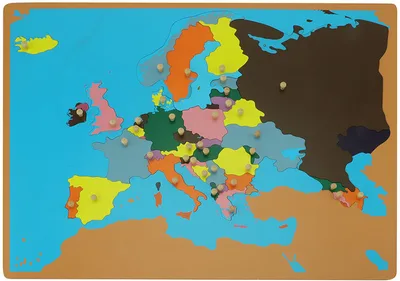
The puzzle maps remain in use, but the work moves to the control maps, the labelling and the child's own map drawing. Buy the control map with the puzzle; a puzzle without its control map is a toy at this level.
Guides
A practical checklist for choosing Montessori materials: dimensions, timber, finish, knobs and fastenings, and completeness of sets.
ReadGuideHow minimum order quantities, carton counts and container loading work for Montessori materials, with a worked example of a mixed 20ft and 40HQ load.
ReadFAQ
Many are: the bead material, the number cards and the puzzle maps continue into the elementary years. The trinomial cube is presented again as algebra.
The decimal fraction material and a complete set of working charts. Both are used for years and both are hard to improvise.
Curriculum areas
Send the models, quantities and destination market: a quotation follows in one to two working days.
Request a quote